Okay, quick confession: I used to be wary of browser wallet extensions. Seriously. They felt like leaving your keys under a potted plant on Main Street—convenient, but sketchy. Then I spent a few months living in the Solana ecosystem and testing the usual suspects. My instinct said Phantom was worth the deeper look, and after a handful of mistakes and some “aha” moments, I wasn’t wrong.
Here’s the thing. Phantom is simple enough for non-technical people to pick up fast, but it’s also powerful enough for active DeFi users and NFT collectors. It sits in your browser, talks to dapps, and manages keys locally. That combo is why so many people adopt it. I’m going to walk through setup, safety practices, and practical tips for DeFi and NFTs—no fluff, just what works in the real world.
First 10 minutes: Install and get oriented
Install Phantom, pin it to your toolbar, and take a breath. When you open it you’ll see a simple UI: balance, NFTs tab, tokens, and a few settings. The flow for creating a new wallet takes about five minutes. Write down the recovery phrase on paper, then put that paper somewhere you won’t throw out in two months. Seriously—people lose access because of sloppy backups.
When prompted, Phantom creates a 12‑word seed phrase. Treat that phrase like cash. Don’t screenshot it. Don’t paste it into random forms. If you already have a seed from another Solana wallet, Phantom can import it, which is handy when migrating. Oh, and by the way—if you ever see a site ask for your seed phrase to “verify your account” it’s a scam. Close the tab immediately.
Security basics that actually matter
Some security advice is boring because it’s obvious, but other bits are frequently overlooked. Use a hardware wallet (like a Ledger) with Phantom for larger balances—Phantom supports that. Enable the auto-lock timeout, use a strong, unique password to unlock the extension, and keep your browser up to date. Small stuff compounds.
Phantom doesn’t keep your keys on a remote server; they stay in the extension (or the hardware device). That’s good, but it’s also a reminder: your browser environment matters. If your OS or browser is compromised, the extension can be at risk. On one hand, the convenience of in‑browser signing is huge. Though actually, that convenience trades off a bit of exposure unless mitigated (hardware wallet + careful browsing = much better).
Connecting to dapps—what to watch for
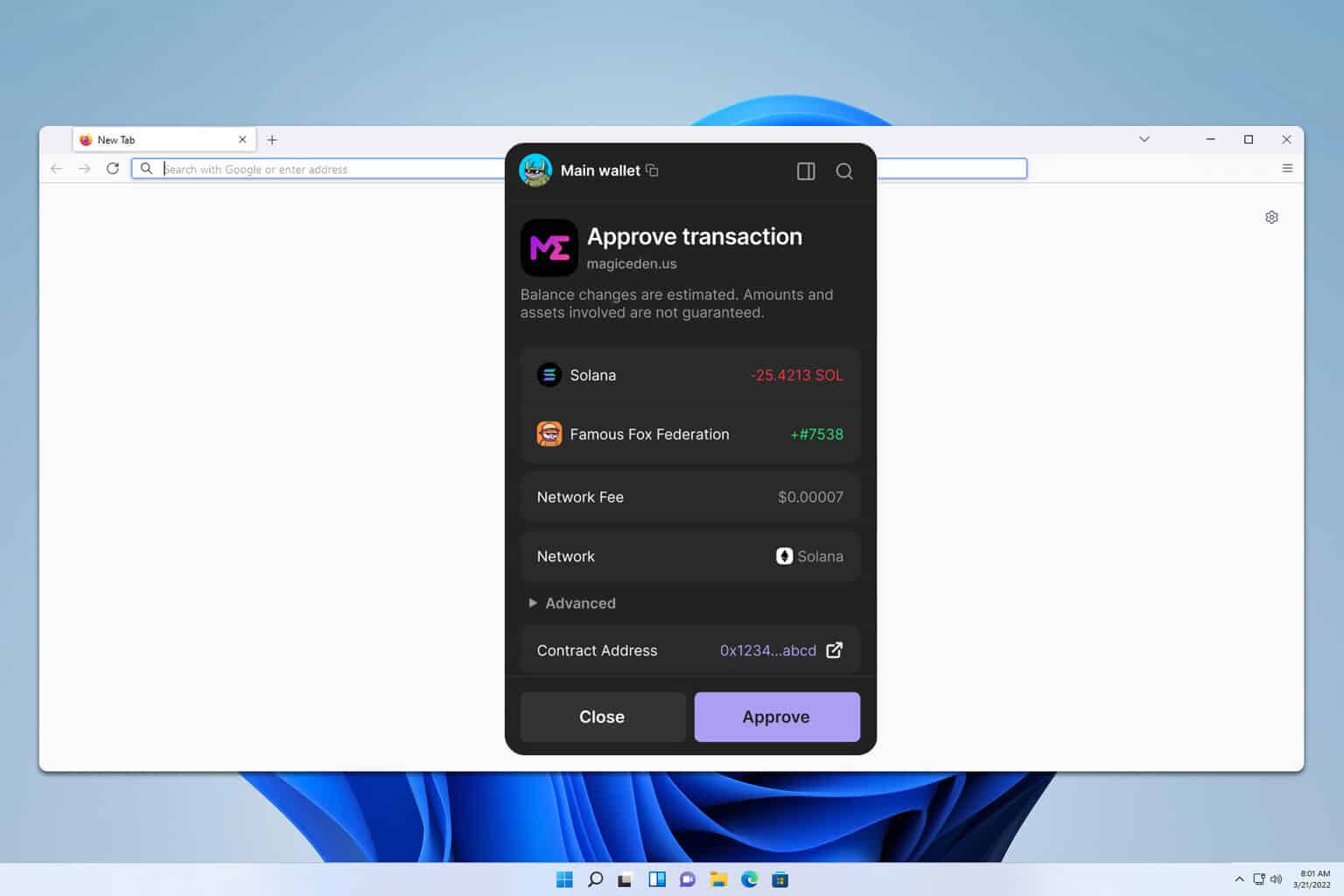
Connecting is usually a one-click flow. A dapp will request permission to view your wallet address and to prompt transactions. Take two seconds and read the permission. Some sites ask for “Wallet connection” just to read your public key—fine. But if a page requests programmatic approval to spend tokens on your behalf, that deserves scrutiny.
Revoke approvals periodically. There are simple tools that show token allowances on Solana and let you cancel them. I clean up allowances every few weeks if I’m actively trading or using many dapps. It keeps the blast radius small if something goes sideways.
DeFi with Phantom: practical tips
Slippage settings, transaction previews, and memos matter. When swapping tokens on Solana, set reasonable slippage and double-check the tokens’ mint addresses. Some shady tokens mimic names of popular tokens—this part bugs me. Verify the mint address on a reliable explorer if the trade is nontrivial.
For yield farming, start small. Test a deposit, confirm you can withdraw, and then scale up. Also keep an eye on transaction fees—Solana is cheap, but sudden network congestion can spike costs and cause failed transactions. Phantom shows confirmations and lets you adjust fees in some flows; learning those controls reduces frustrating failures.
NFTs and collectibles: storing and sending
Phantom’s NFT tab is neat and practical. It displays collections and previews, and makes sending easy. But here’s a nuance: listing on secondary markets usually requires approving marketplace contracts. Again—approve deliberately and only on reputable platforms. If you flip NFTs often, use a secondary wallet with a smaller balance for listings to limit exposure.
I once listed an NFT through a new marketplace and overlooked an approval they requested; my fallback wallet had just enough to cover the mistake, and I learned to sandbox risky ops after that. Lesson learned: separate daily funds from long-term holdings.
Recovery and account hygiene
Test recovery. Seriously. Set up Phantom, export the seed phrase, then reinstall and restore on a fresh browser profile to confirm your backup works. People often assume the phrase will work later—don’t be that person.
For added safety, consider a password manager for your extension‑unlock password (not the seed phrase). That balances convenience and security without making your keys accessible online.
Troubleshooting common snags
If a dapp won’t recognize Phantom, try clearing the site data for that dapp or reloading the extension. Sometimes browser profiles get bloated with extensions that conflict. Running Phantom in a lean profile reduces weird behavior. If transactions hang, check a block explorer to see if they went through; you might need to re‑broadcast or abandon a stuck TX.
And yeah—if something feels off (weird popup, unusual permission), stop. Trust your gut. Something felt off about a wallet prompt once for me, and pausing prevented a bad approval. I’m not 100% perfect at spotting scams, but a habit of pausing helps.
Where Phantom shines (and where it doesn’t)
Phantom excels at user experience. The UI is clean, the NFT support is strong, and integrations across Solana dapps are wide. For everyday DeFi and NFT use, it’s one of the best browser extensions out there. However, for ultra‑high security (large institutional treasuries, multi‑sig corporate custody), dedicated custodial or multi‑sig setups are more appropriate.
If you want to try Phantom for yourself, check the official extension and install from a trusted source. For reference, here’s a link to the Phantom download page: phantom.
FAQ
Is Phantom safe to use?
Safe enough for everyday DeFi and NFTs if you follow basics: secure seed backup, use hardware wallets for larger funds, avoid pasting your phrase into sites, and review approvals. No wallet is invulnerable, but Phantom’s model is standard and widely used.
Can I use Phantom on mobile?
Yes—there are mobile options and wallet‑connect flows for some dapps. The extension itself is for desktop browsers, and pairing with a mobile app is a different workflow.
What if I lose my seed phrase?
Recovery without the seed is usually impossible. That’s why backups matter. If you lose it and don’t have another signing method (like hardware wallet with backup), funds are likely unrecoverable.